Best Time to Go Whale Watching in Sydney (Month-by-Month Guide)
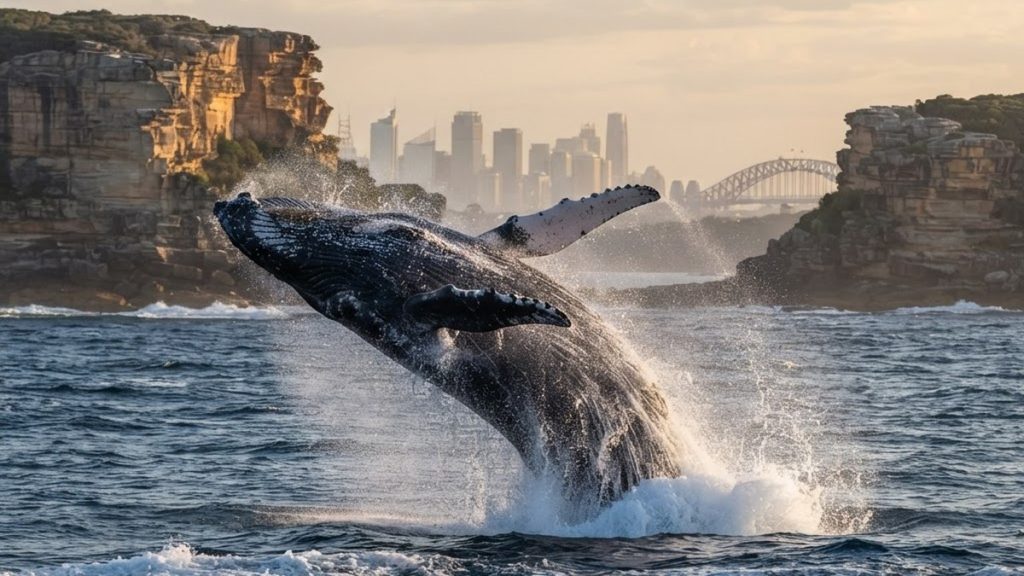
Every winter, the highway off Sydney’s front door gets busier than the Harbour Bridge at peak hour — except that this traffic is made of humpback whales. Tens of thousands of them swim past Sydney Heads between late autumn and late spring, so close to the city that on a good day you can watch a full breach from a ferry window. The catch is knowing when to look, because a whale season is not one long parade. It is a rolling series of events: fast adults charging north, newborn calves drifting south, and weeks of quiet water in between.
This month-by-month guide walks you through the best time to go whale watching in Sydney, what is actually passing the heads in each month, and how a private whale watching charter turns a maybe into a memory. Because when a humpback decides to put on a show forty metres off your bow, no headland crowd will ever come close.
When is the best time to go whale watching in Sydney?
Short answer: the best time whale watching Sydney waters offers runs from late May into November, and every slice of that season has a different headline. Whales pass the heads continuously through winter, but what you see in June is nothing like what you see in September. Here is how the months break down.
The season opener, when the pioneer humpbacks arrive
The last week of May is when the first northbound humpbacks show up off Sydney, often before the whale watching season is even officially talked about. Numbers are thin, but the ocean is quiet, headland carparks are empty, and the first sightings of the year are usually big, energetic adults showing off. If you like having the whole horizon to yourself, this is the month for a calm-water charter with thermoses and beanies.
The heat of the northern migration
By late June the highway is fully open. Humpbacks pour north past Sydney in the biggest numbers of the whole season, most of them on a mission to reach Queensland breeding grounds. This is the month for sheer volume: a four-hour whale watching charter in June can easily log a dozen pods, and the breaches come thick and fast. Bring layers — it is winter on the water, and the spray is sharper than it looks.
The shoulder-season sweet spot most people miss
Early to mid August is Sydney whale watching’s quiet secret. The frantic northern push eases off, the whales slow down, and the whales you do meet tend to linger, roll, slap their pectoral fins and generally enjoy themselves. Crowds thin out as school holidays end, so the water feels like a private theatre. If leisurely encounters appeal more than raw volume, pencil in an August charter.
The start of the great southern drift
From late August through September, the current of humpbacks turns around and starts heading home to Antarctica. The southern migration is the more relaxed leg of the journey — whales linger, feed and rest instead of sprinting — and sightings close to the coast jump sharply. September is also when the first mothers with newborn calves begin appearing, which quietly sets up the best viewing of the entire season.
The mothers and calves travelling close to shore
October is arguably the best whale watching month in Sydney, and the reason is simple: mothers escorting calves hug the coastline on the southern leg, sometimes stopping to rest metres off the headlands. A calf learning to breach is the most playful thing you will ever see on the water — clumsy, joyful and endlessly repeating itself. Charters in October track along the whale corridor with almost guaranteed encounters, and spring weather makes the trip twice as pleasant.
The last parade of humpback stragglers
November is the season’s slow fade, but the finishing whales are often the friendliest: well-fed juveniles, later mothers and calves, and the occasional curious escort. Numbers drop week by week, yet pods that do pass are more likely to approach vessels curiously, and common dolphins join the show in big pods. If you combine a whale watching outing with a late-spring day on a catamaran, November is a lovely, unhurried time to be out.

Why a whale watching boat charter beats standing on the headland
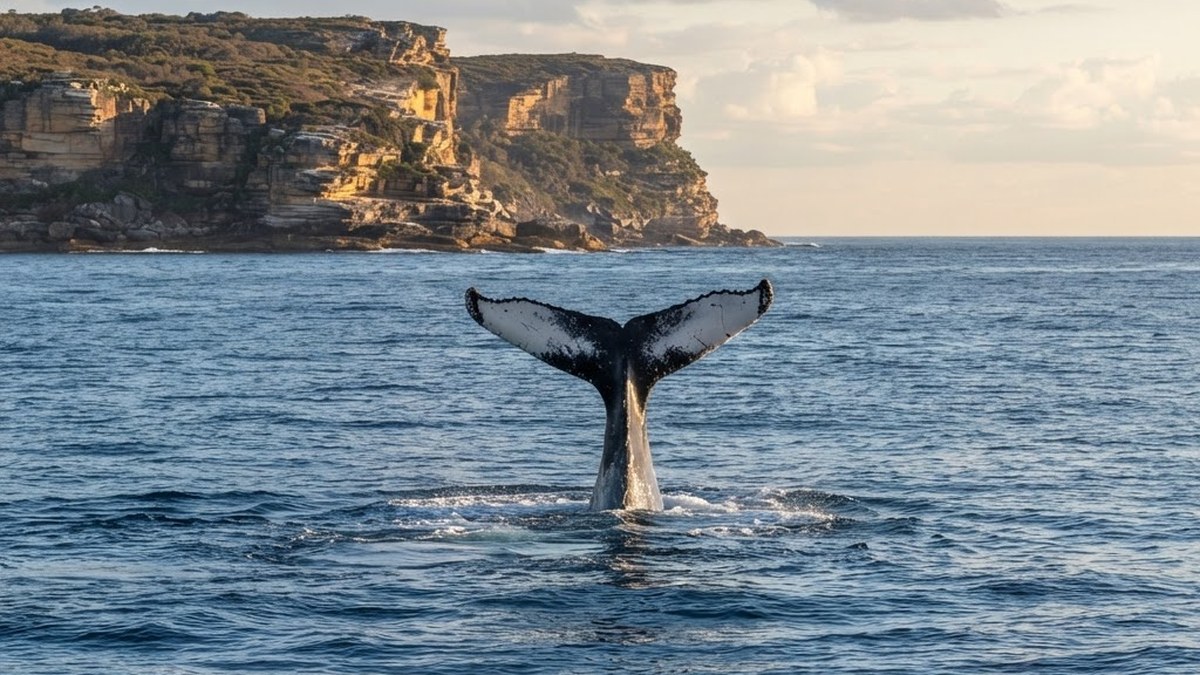
You can certainly watch whales from Cape Solander or North Head, and plenty of people do. But a headland fixes your angle and your distance. The whale chooses how close the encounter gets, and from a cliff top that usually means a distant blow and a smudge of a breach. On a whale watching charter or sydney harbour sightseeing catamaran hire trip, your skipper can reposition, track a moving pod lawfully within the approach limits, and put you at the right end of the ocean for the light and the breeze.
Charter skippers also run on a radio and phone network that headland tourists never hear. When a pod surfaces off the heads, the working boats chatter, and a private catamaran like Alila can be alongside the action within minutes while you watch from beanbags on the trampoline. NSW rules are strict and important here: every vessel must stay at least one hundred metres from a whale, and three hundred metres when a calf is present. A professional crew keeps you inside the law without you having to think about it, which is exactly the way you want to meet a 40-tonne animal.
What to pack for a whale watching charter
A whale watching boat charter runs in open water, in any month of the season, so a little preparation keeps the whole crew sharp-eyed and comfortable instead of cold and queasy. Work through this list before you step aboard.
- Book a morning window, before the afternoon sea breeze chops up the swell
- Pack spray-proof jackets — ocean spray ignores the forecast
- Bring polarised sunglasses to cut glare and make blows easier to spot
- Take seasickness tablets an hour before boarding, not after
- Fill a thermos and pack snacks, or add a catering platter to your booking
- Carry a camera with a fast shutter and a neck strap
- Wear flat, non-slip shoes — wet decks forgive nothing
- Send everyone the departure wharf and arrival time the night before
Watch the edges of the day, not just the calendar. Whales are most active in the first hours after sunrise, and the water is calmest then too. If you have flexibility in your month, trade a midday slot for a morning charter — you trade crowds for still water, and still water is when breaches happen.
Ready to meet the humpbacks on their own patch of ocean?
Our team tracks the season daily and can slot you into the best whale watching fortnight for your dates — see the full run-down on our Sydney whale watching charter page, compare vessels, and plan the day.
Frequently Asked Questions
What is the single best month for whale watching in Sydney?
July wins on sheer volume, with the most humpbacks passing per day. But October arguably delivers the better show, because mothers and calves travel close to shore and the calves breach repeatedly. Serious whale watchers book both: one winter trip for the migration rush and one spring trip for the calves.
Do whales ever come inside Sydney Harbour?
Occasionally, yes — humpbacks and even southern right whales have wandered past the Harbour Bridge in some years. The reliable encounters, though, happen in the ocean between South Head and North Head, which is exactly where whale watching charters spend their time.
How close can a boat legally get to a whale in Sydney?
NSW rules require all vessels to keep at least 100 metres from a whale, and 300 metres when a calf is present. Charter skippers follow these distances automatically, and whales frequently approach within them on their own terms, which is when the magic happens.
Is October too late in the season for whale watching?
Not at all — October is one of the strongest months. The southern migration is in full swing, mothers and calves hug the coast, and dolphin pods are large. Bookings for good-weather windows fill quickly, so secure your date early in spring.
Can we BYO food and drinks on a whale watching charter?
Yes. Private catamaran charters are fully BYO for food and drinks, or you can add catering so a platter is waiting when the whales calm down. Bring water regardless — whale watching is more dehydrating than people expect.
How long should we book for the best whale watching experience?
A three to four hour charter gives the skipper enough time to check the known whale corridors, reposition when the radio network reports a pod, and still leave room for a swim or lunch stop. Shorter trips are possible but rush the encounter.
Ready to Book Your Sydney Harbour Charter?
Browse our fleet and send us your date. We'll confirm availability within 24 hours.
Enquire Now Browse BoatsMore Tips & Guides
Whale Watching Season in Sydney: When, Where & How to See Them
Whale watching season in Sydney is one of the most memorable ways to experience the…
The Perfect Bucks Party Itinerary: 5 Hours on Sydney Harbour
A great bucks day lives or dies on the run sheet. Show up with no…
Catamaran Hire Sydney: Frequently Asked Questions (2026)
Booking a catamaran sounds simple until the questions start stacking up. How much does it…
Best Catamaran Hire Sydney: Prices, Boats & Inclusions
Every operator in Sydney will tell you they offer the best catamaran hire. The claim…
How to Choose the Best Birthday Boat Hire in Sydney
Every Sydney birthday eventually confronts the same question: what do we actually do this year?…
How to Choose the Best Hens Party Catamaran Hire in Sydney
Choosing a hens party venue in Sydney is a confidence trick played by every function…
Top 10 Bucks Party Boat Ideas on Sydney Harbour
A bucks party has one job: send the groom off with a day his mates…
How to Choose the Best Corporate Boat Hire in Sydney
Booking the wrong corporate venue is a quiet kind of expensive. It looks fine on…